


Is My Job a Handyman Job or a Contractor Job?
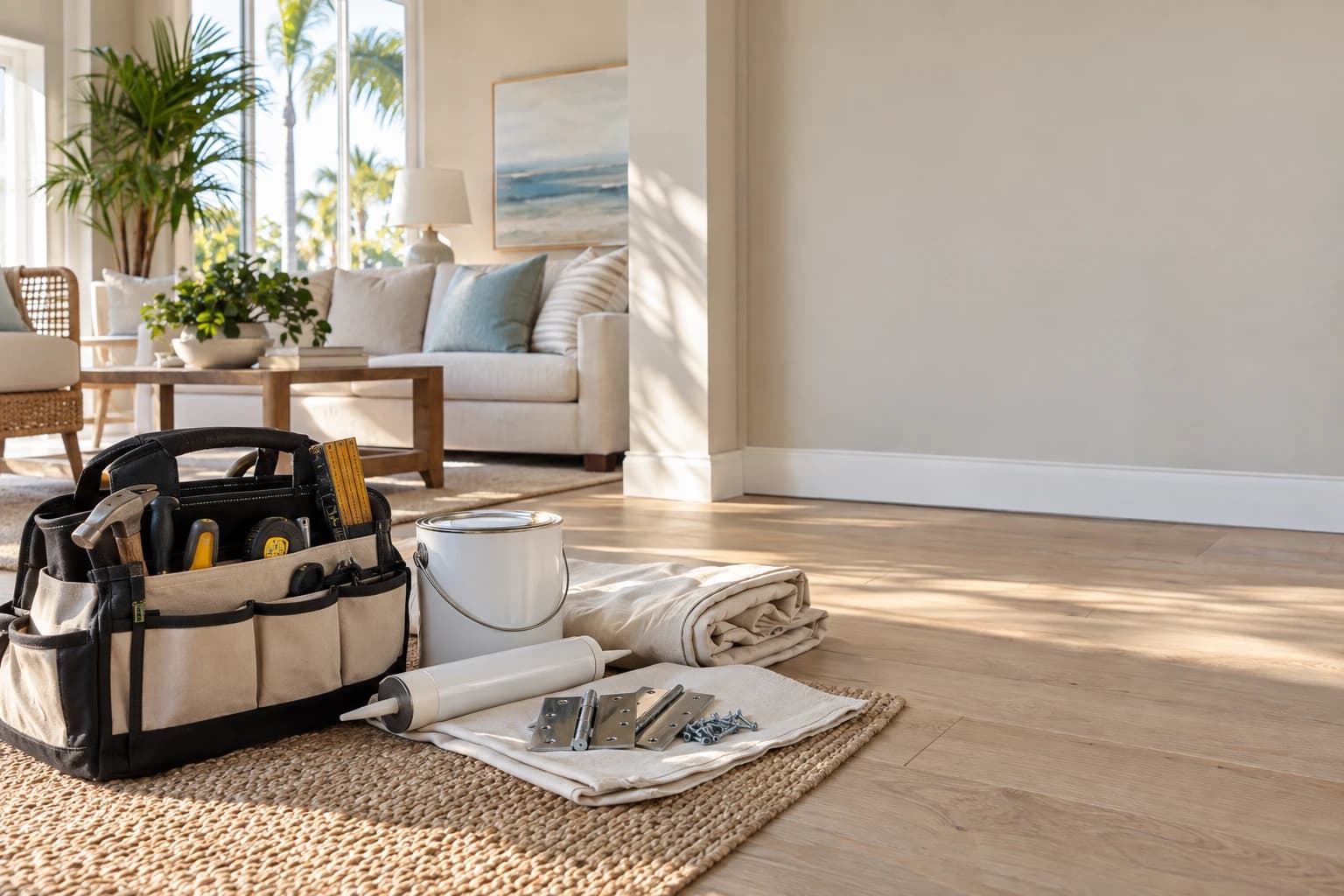
Most of what breaks in a house is handyman work, and the rest still has a home with us. Here are 60 estimate requests pulled from our website between September 4 and September 24, 2026, sorted by who the state says may perform the work. The right professional for each one is usually plain once you know the rule, and most of the list turns out to be handyman services.
| The job | Who may do it | Why |
|---|---|---|
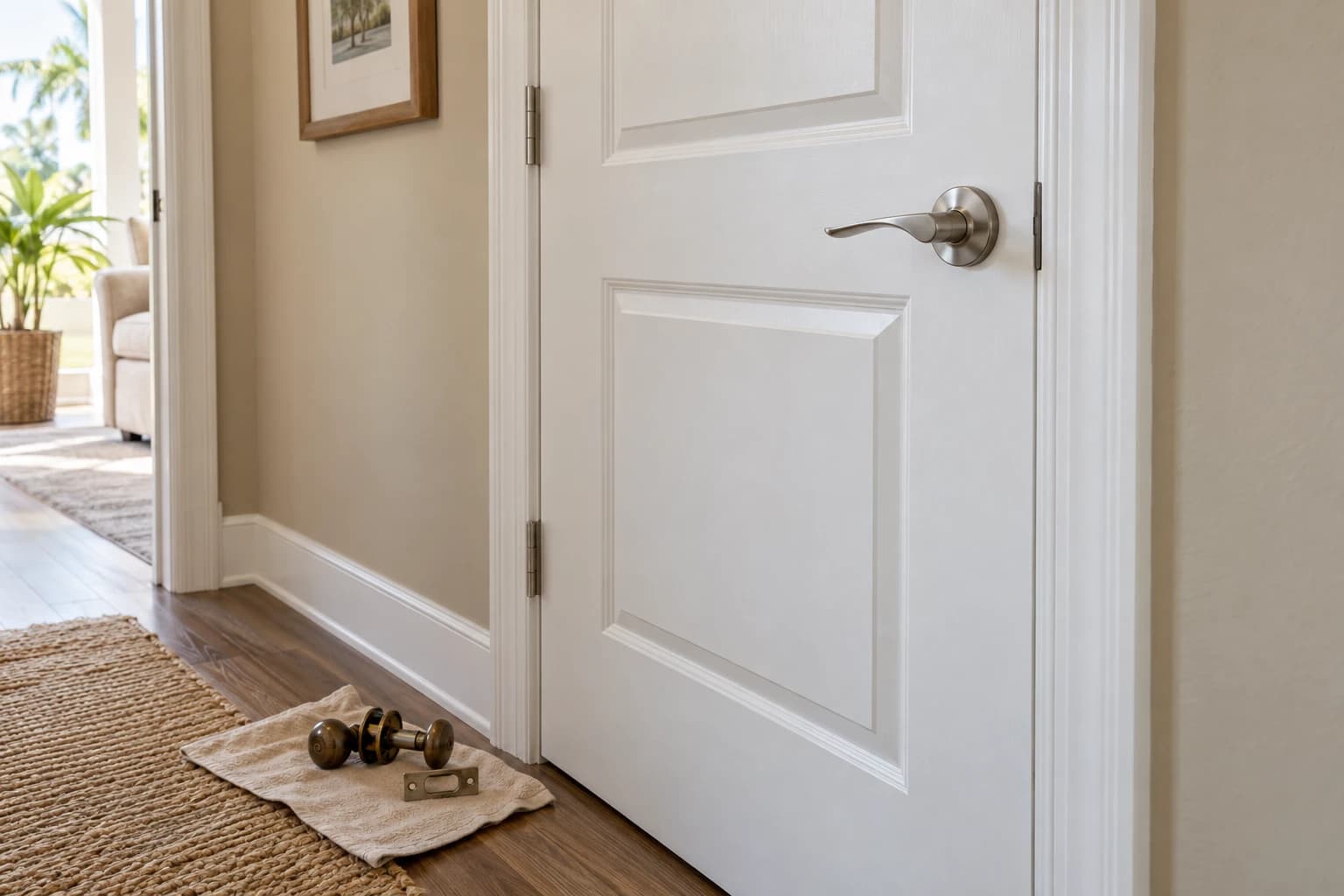
| New locks, handles, and hinges | Any handyman | Minor repair, no permit, no licensed trade |
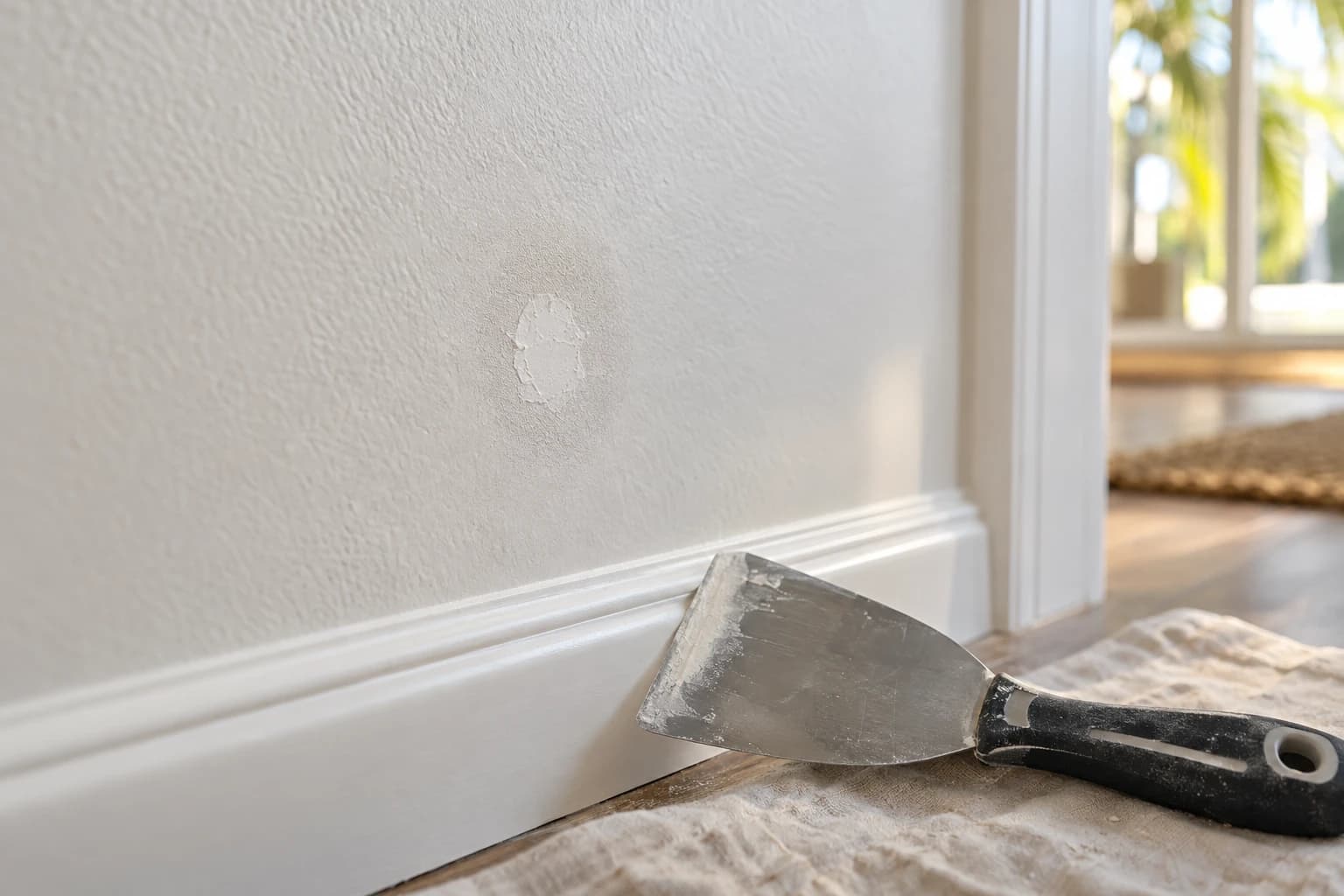
| Drywall patches and a ceiling repair | Any handyman | Minor work, under the dollar limit |
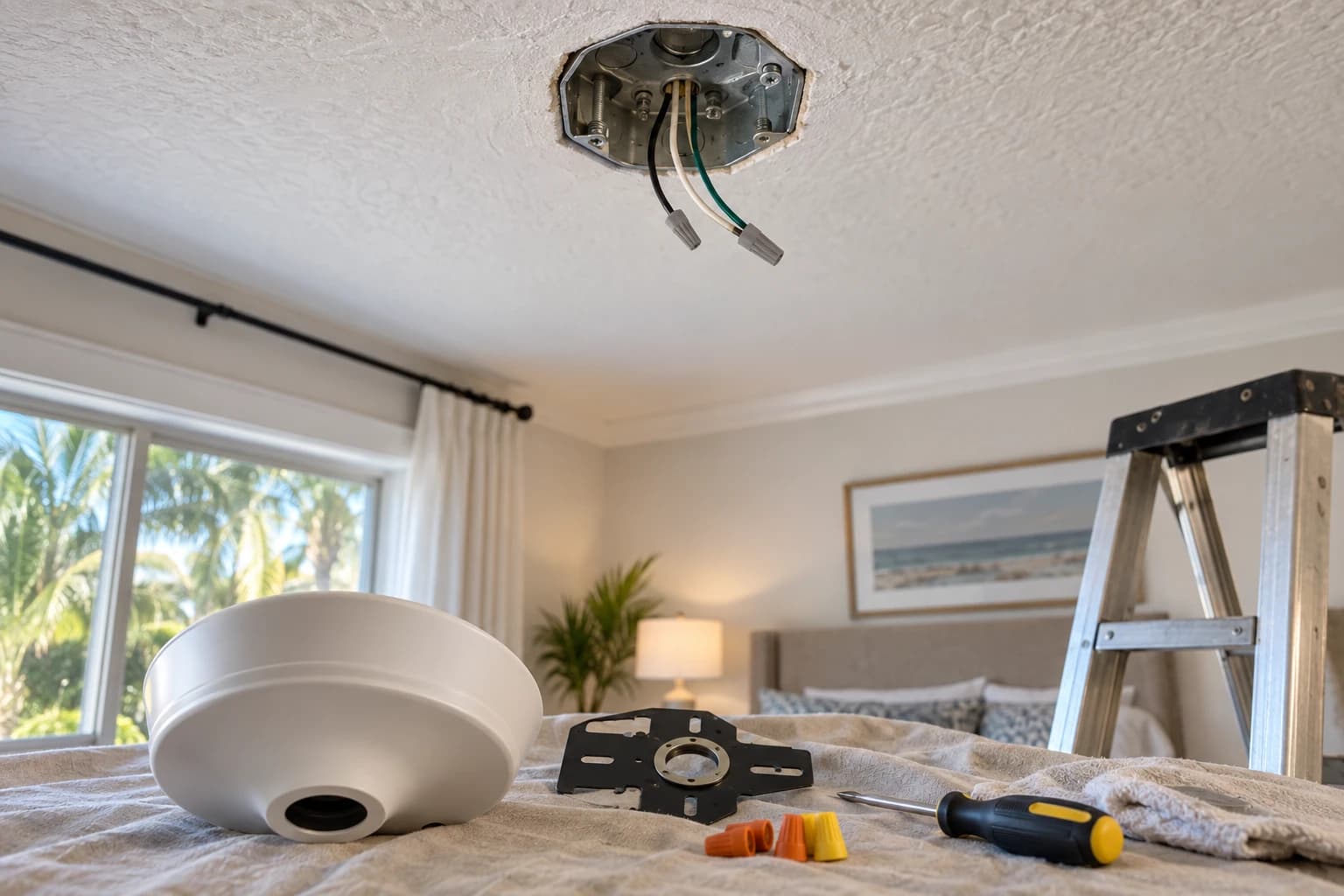
| A bedroom fan or bath exhaust fan swapped like for like | Handyman | Same box, same circuit, treated as minor work |
| Two toilets leaking at the base | Handyman | Fixture reset in place, same connections |
| A kitchen sink installed | Handyman | Fixture in place; new supply or drain lines go to a plumber |
| Two bathroom floors retiled | Handyman or contractor | Tile is handyman work until it is part of a remodel |
| A propane water heater swapped for electric | Licensed trades | Plumbing, electrical, and a fuel change, with a permit |
| A wall removed between two rooms | Licensed contractor | May carry load, and it is permitted work |
| A full bathroom remodel | Licensed contractor | Over the dollar limit and permitted |
| A roofing project | Licensed roofer | Roofing is its own licensed trade |
September requests, sorted by who may do the work
Nine of the 60 were kitchen remodels, the biggest jobs of the month and contractor work by any reading of the statute. A solo handyman has to turn them down. A handyman company that holds contractor licenses can quote them, which is the difference that matters when your list has both kinds of work on it.
What Can a Handyman Legally Do in Florida?
Casual, minor repairs, under a set dollar total, that are not part of a bigger project. Florida has no handyman license. It licenses contractors, and Florida Statute 489.103(9) says when a contractor license is not needed: work of a casual, minor, or inconsequential nature where the whole contract, labor and materials, is under $2,500.
Inside that room, an unlicensed handyman can legally do minor home repairs and general maintenance: patch drywall, paint, hang shelves and TVs, swap door hardware, install flooring and tile, do trim carpentry, and replace a light fixture or fan on the existing box. For a homeowner, that is the cost effective side of the line: small tasks and minor home repairs, done in one visit, with no permit to obtain. Outside it are the licensed trades and permitted work. Every one of those trades is named in the Florida handyman license rules. None of this is legal advice; it is how we read the statute we work under.
What Is the $2,500 Rule?
A ceiling on what an unlicensed handyman may take, with three strings attached. The job must be casual and minor, labor and materials together must come in under $2,500, and it cannot be one piece of a bigger project. Splitting a bathroom remodel into five small invoices to stay under the number voids the exemption.
The number does not open the licensed trades. Electrical, plumbing, and air conditioning are regulated on their own, so a small job in any of them still needs the right license. And a handyman who advertises as a contractor, a remodeler, or a roofer loses the exemption on the spot.
Local rules used to add another layer. As of July 1, 2024, the state stopped counties and cities from requiring their own licenses for handyman work, painting, flooring, and cabinetry. Pinellas County is the exception to know about, because its licensing board still licenses several specialty trades.
Can a Handyman Remove a Wall?
Not on his own, and you would not want him to. One September request asked for a small wall removed between the living room and dining room, with the wood and travertine already bought to patch the floor. Whether that wall carries load is the whole question, and the answer needs a permit and someone licensed to sign for it.
A wall removal touches multiple trades, and the scope of the project decides who does it, not the size of the wall. A licensed contractor pulls the permit, opens the wall, and deals with whatever runs through it, which in a Florida house is often a wire and sometimes a drain. Then the handyman side of the same company patches the floor with the material you bought and matches the drywall. Because The Handyman Company holds a state certified building license, both halves come from one company and one written price.
Can a Handyman Remodel a Bathroom or Kitchen?
A licensed one can, and that is the difference to check before you sign. A full bathroom remodel, the tub, toilet, vanity, drywall, and floor, is over the dollar limit and needs permits, so it is contractor work. So is a kitchen remodel that moves cabinets, and nine September requests were kitchens.
Pieces of that work are still handyman jobs on their own. Regrouting a shower, swapping a vanity on the same connections, retiling a floor, or raising a cabinet to fit a new refrigerator, all of which people asked for in September, are minor work. The line is crossed when the pieces add up to one project. Then the whole thing is contracting, whoever does it.
Can a Handyman Replace a Water Heater, a Toilet, or a Ceiling Fan?
A toilet and a ceiling fan, yes. A water heater, no. Two homeowners in September had toilets leaking at the base. That is a fixture reset on the same connections, usually a new seal, and it is minor plumbing a handyman may do. Moving a drain or a supply line is plumbing work for a licensed plumber.
A ceiling fan or a bath exhaust fan swapped like for like on the existing box is the one electrical task generally treated as handyman work, and two September requests were exactly that. A new circuit, a new wiring run, or anything at the panel is an electrician.
The water heater sits on the other side of both lines. One request asked to swap a propane heater for an electric one. That is plumbing, electrical, and a fuel change, with a permit, and it goes to the licensed trades. We say so at the estimate, and we would rather lose the line than do it wrong.
Who Pulls the Permit?
The licensed contractor doing the work, never a handyman working under the exemption. Small repairs need no permit. Remodels, structural changes, and plumbing or electrical work that require permits do; the contractor has to obtain the permit before work starts, and the inspection checks the work against the building codes. Florida puts that work with licensed contractors.
If a company asks you to pull the permit yourself, ask why. It usually means the company cannot pull it in its own name, and it moves the responsibility onto you. We are state certified contractors, we pull the permits our projects need, and we tell you up front when a job calls for one.
Handyman vs Contractor: What Is the Real Difference?
The size of the job each one is built for, and the license behind it, are the key differences. A general contractor is set up for additions, major renovations, and new construction, and rarely wants a door lock or a drywall patch. A solo handyman is set up for the patch and cannot legally take large projects like a remodel. A licensed handyman company sits in the middle and takes both.
The Handyman Company is state certified as a residential contractor, CRC1336072, and a building contractor, CBC1258366. The residential license covers one- and two-family homes up to two stories. The building license covers buildings up to three stories, which is why property managers and businesses call us for the same list. Our own handymen do the work, under our licenses and insurance, whichever side of the line the job sits on.
Which One Is Cheaper, a Handyman or a Contractor?
For small tasks and general maintenance, the handyman, and it is not close. A contractor's team is set up for large projects, so a door lock or a drywall patch carries overhead a handyman does not have. Bundling the small repairs on one visit is the most cost effective way to keep a house up, and it is most of what our customers call about.
For a remodel, a wall, or anything else that needs a permit, the licensed contractor is the only legal choice, and the cheaper bid from someone without a license is the expensive one. If unpermitted work causes property damage, the insurance company can deny the claim, and the work often has to be opened up and redone to pass inspection. A licensed handyman company that can do both kinds of work prices each item on the same estimate, so you are never paying contractor overhead for handyman tasks or handyman risk on contractor work.
How Do I Check a License Before I Hire?
Ask for the license number and look it up, which takes about a minute. Every Florida contractor license is searchable on the Department of Business and Professional Regulation site at myfloridalicense.com. A number that does not come up, or comes up under a different name, is your answer.
A business license or a local business tax receipt is not a contractor license; only the state number counts. Then ask for proof of general liability insurance, which pays if the work causes property damage, and workers compensation insurance (workers comp), and ask to see the certificate rather than take the word for it. An insurance policy that lapsed last year protects nobody. Then ask whether the job needs a permit and who pulls it. A good company answers all of it before you ask. Ours: license numbers on the estimate, insurance certificates on request, and a straight answer on the permit.
How Do I Get an Estimate for Either Kind of Job?
Send the list and let us sort it. You do not have to know which items are handyman work and which need a contractor; that is what the estimate is for. Send the form on this page or call 800-931-1106. A person answers, and if you leave a message we call back within one business day.
Someone from the nearest office looks at every item, tells you which side of the line each one sits on, and puts one price in writing before any work starts. The quote you approve is the bill you get, and every job carries a one year warranty. Six Florida offices, our own craftsmen, and the licenses to say yes to the whole list. Whatever is on it, we would be glad to take a look.